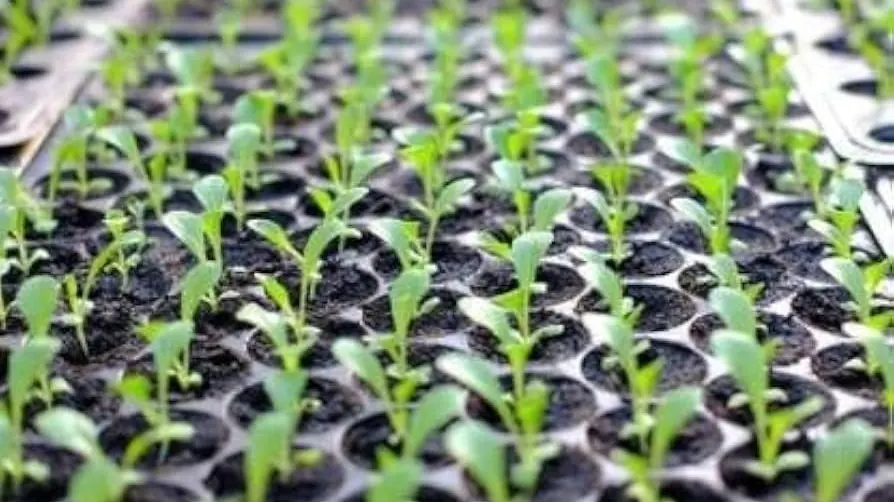
Walk into almost any modern greenhouse or nursery and you will not find plants growing in ordinary soil. They grow in a growing medium: a light, clean material made to hold water, air and nutrients around the roots. Here is what a growing medium is, why growers rely on it, and why demand for renewable growing media is rising.
What is a growing medium?
A growing medium, also called a substrate or soilless mix, is any material other than field soil that plants are grown in. It does three jobs: it anchors the roots, stores water and nutrients for the plant to draw on, and leaves enough open space for air so the roots can breathe.
Growing media can be a single material, such as a block of coco peat or a rockwool slab, or a blend of several, such as peat with perlite and compost. They are used for seed trays, pots, grow bags, hydroponic slabs and potting mixes.
Why growers use a growing medium instead of soil
Soil works well in an open field, but it brings problems when plants are grown in containers or under cover. A growing medium solves most of them:
- Clean start. A good substrate is free from soil-borne diseases, pests and weed seeds, so young plants are not attacked from day one.
- The same every time. Each batch has a similar structure, pH and salt level, so growers can repeat a successful crop season after season.
- Air and drainage. Soil in a pot compacts and stays waterlogged. A fibrous medium keeps its structure, drains freely and keeps oxygen around the roots.
- Precise feeding. Because the medium itself carries few nutrients, growers can feed exactly what the crop needs through fertigation and drip lines.
- Light and easy to move. Compressed blocks, discs and bags are a fraction of the weight of soil, which matters for shipping, rooftop gardens and hanging baskets.
- Higher, more even yields. Together, these let greenhouse growers produce more fruit, flowers or seedlings from the same space.
What makes a good growing medium?
Growers usually judge a substrate on a few points:
- Water holding, so plants do not dry out between irrigations
- Air space, so roots get oxygen and do not rot
- pH in the range most crops like, usually slightly acidic
- Low salts (EC), which is especially important for seedlings
- Consistency from one block, bag or container to the next
- Sustainability: whether the raw material is renewable
The main types of growing media
| Growing medium | Made from | Renewable? | Notes |
|---|---|---|---|
| Peat moss | Partly decayed moss dug from bogs | No | Long the standard, but extraction releases stored carbon and damages wetlands |
| Coco peat (coir) | Coconut husk | Yes | Widely used peat alternative; needs washing and buffering |
| Rockwool | Molten rock spun into fibres | No | Common in hydroponics; energy-intensive and hard to dispose of |
| Perlite and vermiculite | Heated volcanic minerals | No | Usually mixed in to add air or hold water |
| Bark and compost | Wood and green waste | Yes | Good in blends; quality can vary |
| Banana fibre | Banana stem left after harvest | Yes | Open, fibrous structure; turns a farm waste into a substrate |
The growing media market and its potential
Growing media is a large and steady global market. Market research firm Next Move Strategy Consulting values it at about USD 4.4 billion in 2025, rising to around USD 6 billion by 2035. Within it, coco coir alone is estimated at about USD 414 million, with India among the leading producers. Four trends are driving demand:
- More greenhouses and indoor farms. Protected cultivation, hydroponics and vertical farms grow almost entirely in substrates.
- The move away from peat. Governments and retailers are cutting peat use to protect peatlands. In England, the government has announced bans on peat in retail gardening products, with professional growers given until 2030 for some uses. Growers across Europe are searching for reliable peat alternatives.
- Home and urban gardening. More people are growing food and plants on balconies, terraces and rooftops, where light, clean potting media are essential.
- Demand for traceable, sustainable inputs. Buyers increasingly want substrates made from renewable materials, with batch testing and clear origin.
The opportunity is biggest for growing media that are renewable, consistent and available in large volumes. That is where crop by-products such as banana fibre come in.
Banraw Peat: a growing medium made from banana stem
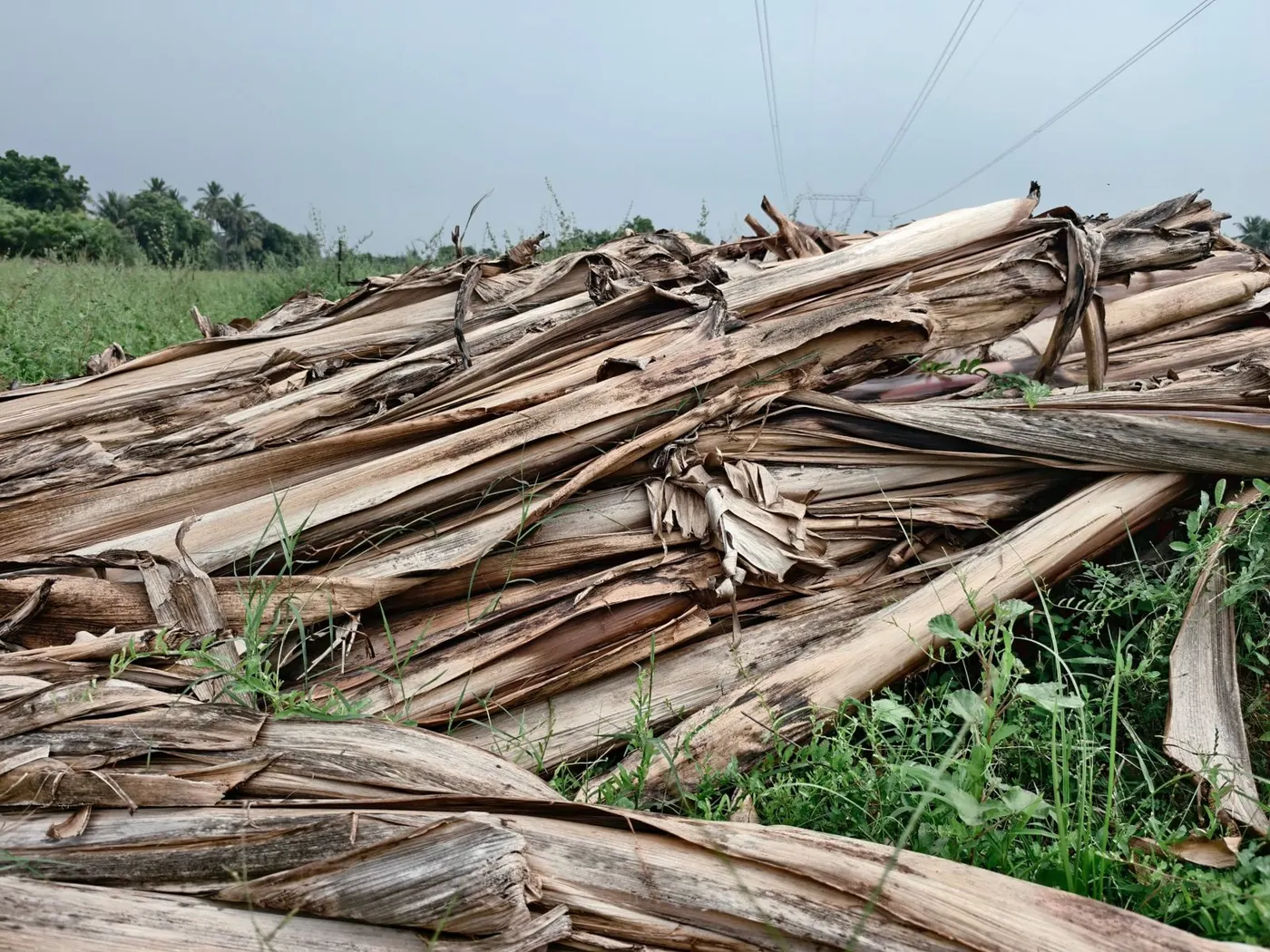
India grows more bananas than any other country, and every harvest leaves behind a stem that will never fruit again. That adds up to tens of millions of tonnes of banana stem waste every year, most of it left to rot or burned.
At Banraw, we collect these stems from farms around Erode, Tamil Nadu, and process them into Banraw Peat: shredded, dried and graded banana fibre, pressed into compact formats for export. Its long, open fibres hold water well while draining freely, keeping air in the root zone. It is renewable, can be used on its own or blended with coco peat and perlite, and gives banana farmers value from a material they would otherwise have to clear away.
Banraw Peat comes in four formats for greenhouses, nurseries and home growers:
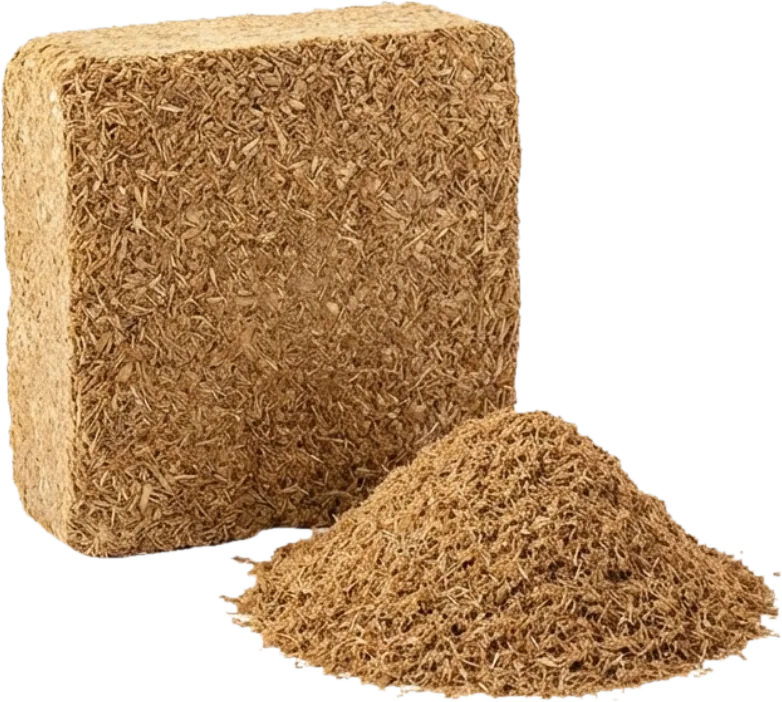 5 kg blocksExpands to about 75 L
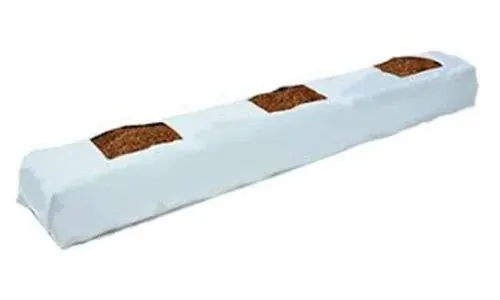 Open-top slabsFor hydroponic crops
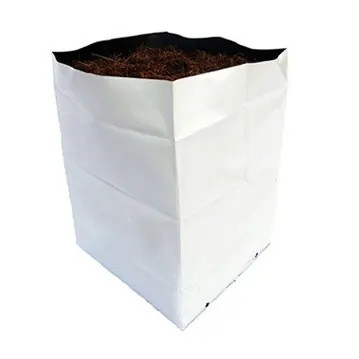 Open-top grow bagsReady to plant
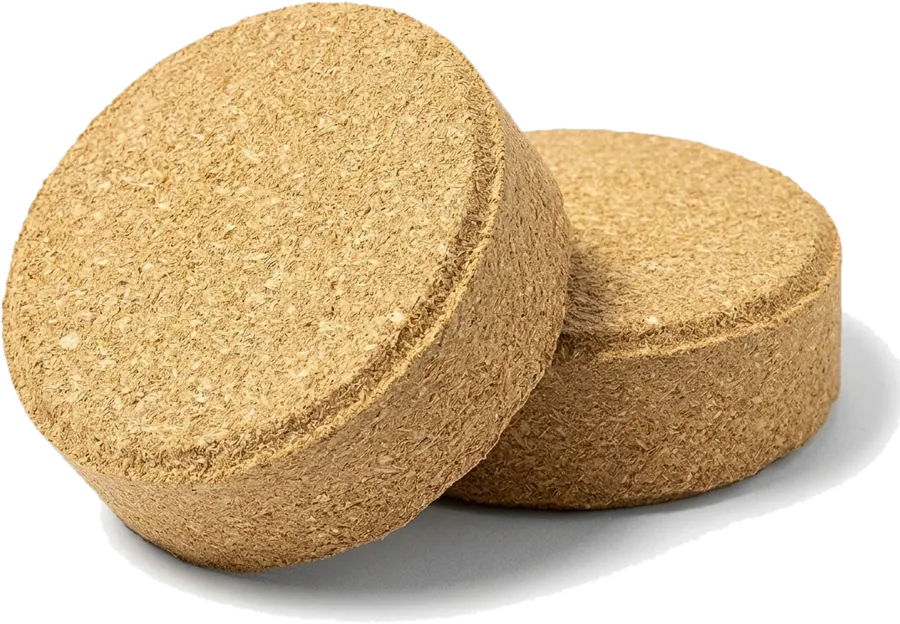 DiscsFor pots and seedlings
Frequently asked questions
What is a growing medium?
A growing medium, or substrate, is any material other than field soil that plants grow in. It holds water, air and nutrients around the roots and supports the plant. Common growing media include peat moss, coco peat, rockwool, perlite, bark and banana fibre.
Why do greenhouses use a growing medium instead of soil?
A growing medium is clean, free of soil pests and weeds, and the same from batch to batch. It drains well, keeps air around the roots and lets growers control water and nutrients precisely, which gives more even crops and higher yields.
What is the best growing medium?
There is no single best growing medium for every crop. A good one holds water and air in the right balance, has a stable pH and low salt (EC), and is consistent. Many growers now choose renewable options such as coco peat or banana fibre instead of peat moss.
Is there a sustainable alternative to peat moss?
Yes. Coco peat from coconut husk and banana fibre from banana stems are both renewable by-products of fruit farming. Banraw Peat is a growing medium made from banana stem, a crop waste that is otherwise left to rot or burned.
How big is the growing media market?
Market research firms value the global growing media market at around USD 4.4 billion in 2025 and expect steady growth over the next decade, driven by greenhouse farming, home gardening and the shift away from peat.
Sources. Market figures: Next Move Strategy Consulting, growing media market; IMARC Group, coco coir market. Peat policy in England: The Wildlife Trusts, March 2023; Horticultural Trades Association. Market estimates differ between research firms, and policies may change.